Africa's Malaria Treatment Resilience Poses a Manufacturing Question
Most of the discussion around artemisinin resistance focuses on which medicines protect or eventually fall alongside Artemisinin-based Combination Therapy (ACTs). That is the right question, but it is not the only one. Whether Africa can hold on to a diversified malaria treatment portfolio also depends on where those medicines and their active ingredients are made. Today, most of them are made outside the continent.
Africa currently imports more than 70% of the pharmaceuticals it consumes and over 95% of its active pharmaceutical industries (APIs) which leaves the continent heavily dependent on external manufacturers[1]. COVID-19 exposed the risks of this dependence, as export restrictions and supply disruptions contributed to shortages across African markets. Treatment security is therefore closely linked to API security. A diverse treatment portfolio offers limited resilience if the medicines and ingredients behind it remain vulnerable to external shocks. Strengthening local pharmaceutical and API manufacturing is therefore not only an industrial priority, but also an important part of building more resilient health systems.
In 2024, there were an estimated 282 million malaria cases and 610,000 deaths globally, with the World Health Organization (WHO) African Region accounting for 94% of cases and 95% of deaths, equivalent to around 265 million cases and 579,000 deaths[2]. Children under five accounted for around three-quarters of malaria deaths in the Region[3].
The burden is concentrated in five countries. Nigeria, the Democratic Republic of the Congo (DRC), Uganda, Ethiopia and Mozambique together account for more than half of malaria cases globally[4].
The treatment landscape is changing. ACTs remain the WHO-recommended first-line treatment for uncomplicated P. falciparum malaria and continue to be highly effective in Africa. But artemisinin partial resistance is now emerging in Africa, from multiple independent origins.
WHO currently confirms artemisinin partial resistance in Eritrea, Rwanda, Tanzania and Uganda, with suspected resistance in Ethiopia, Namibia, Sudan and Zambia. In some high-transmission settings in Uganda, more than half of parasites have been found to carry mutations associated with artemisinin partial resistance. ACTs remain effective today, but the emergence of resistance makes protecting and diversifying the limited number of antimalarial options available more urgent[5].
Building resilience requires diversification, not replacement of ACTs. When a health system is managing one of the world’s largest infectious disease burdens, having a diversified treatment portfolio matters. It creates options when resistance emerges, supply chains are disrupted, or when treatment needs change.
Quinine is already part of this treatment landscape. It has been used to treat malaria for centuries and, while its role has declined considerably with the widespread adoption of ACTs, it has not been banned or withdrawn as a treatment option. It remains an established antimalarial within current WHO treatment guidelines, including as an option for severe malaria when artesunate and artemether are unavailable, and continues to feature in the treatment guidelines of several African countries. In the DRC, quinine is also used more broadly, including in the treatment of uncomplicated malaria. Conventional quinine regimens have recognised challenges, including frequent dosing, longer treatment courses and tolerability issues.
The question, therefore, is not about bringing quinine back or positioning it as a replacement for ACTs. It is about maintaining reliable access to an established treatment option as part of a more diversified and resilient malaria treatment landscape.
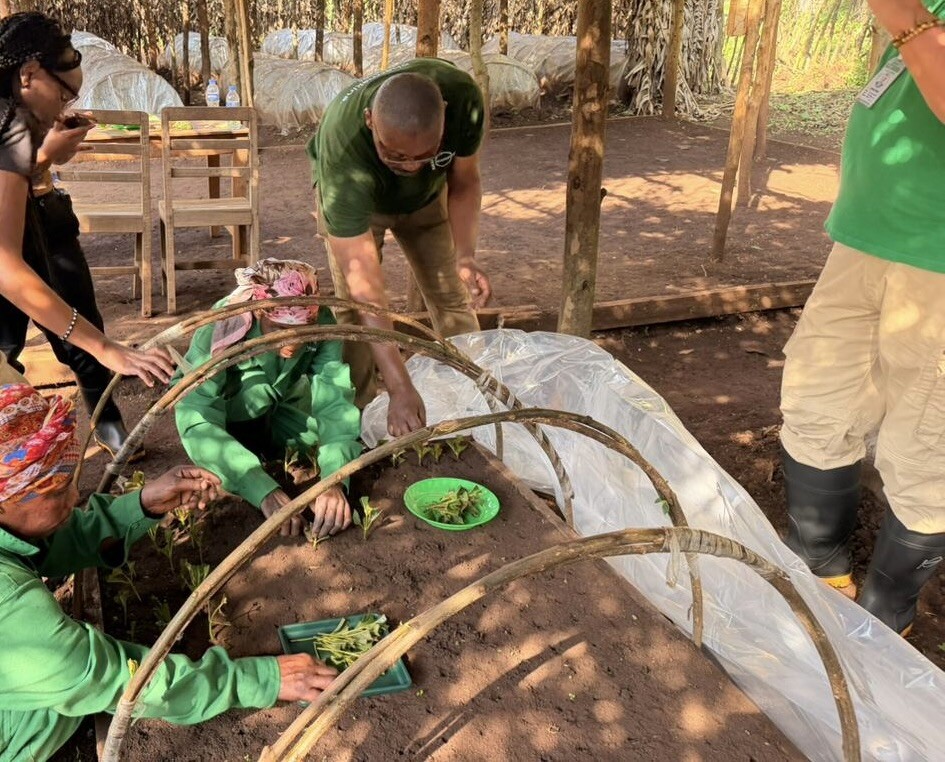
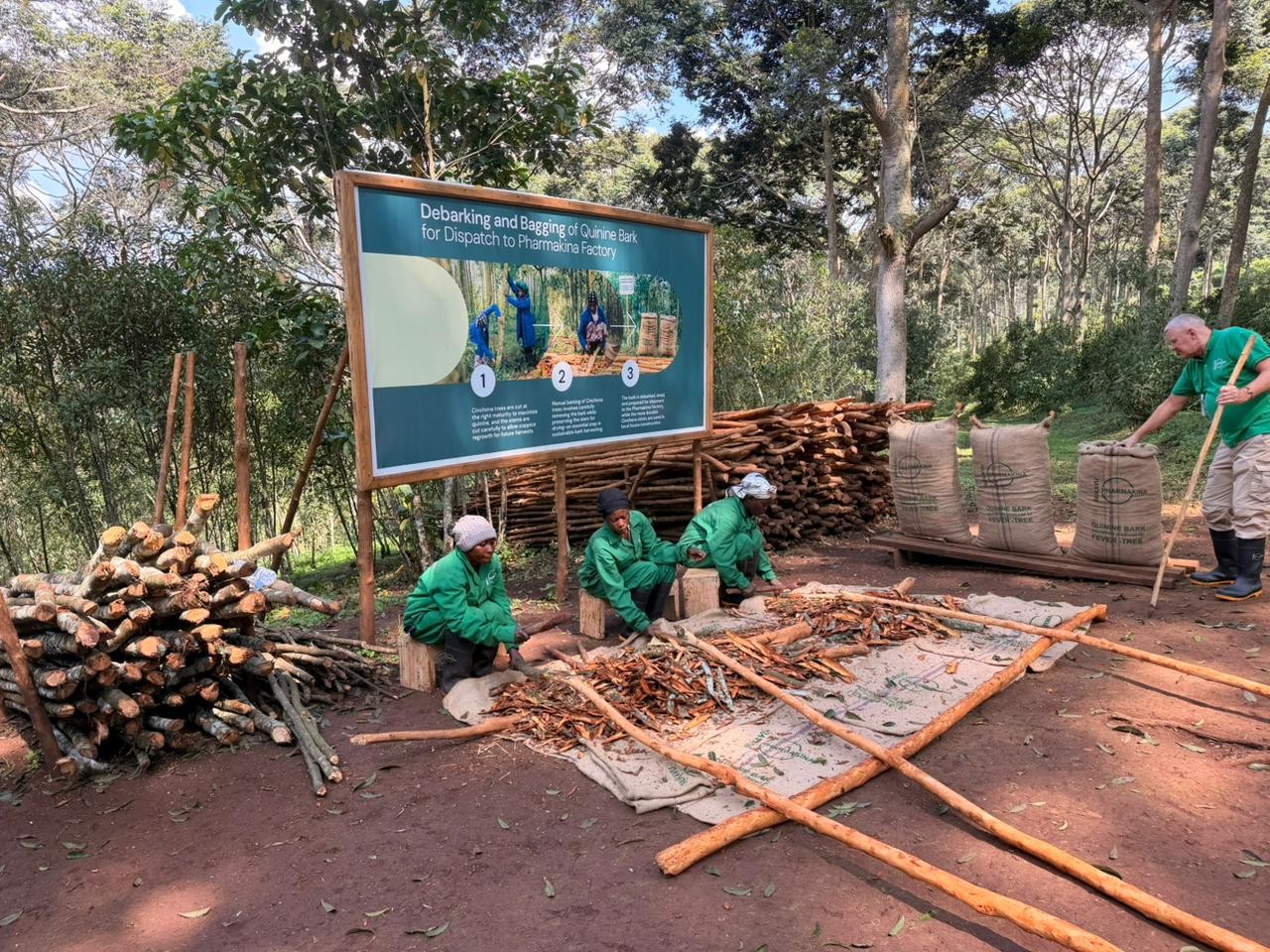
This is where quinine provides an interesting example of the API security question. In the DRC, cinchona, the natural source of quinine, can be cultivated locally, processed into pharmaceutical-grade quinine API and used to manufacture finished medicines within Africa. Pharmakina SA , founded in 1942 and based in Bukavu, DRC, is a leading fully integrated quinine producer in Africa. Its model spans the value chain, from cinchona cultivation and quinine API extraction to finished products, including tablets and injectables [6].
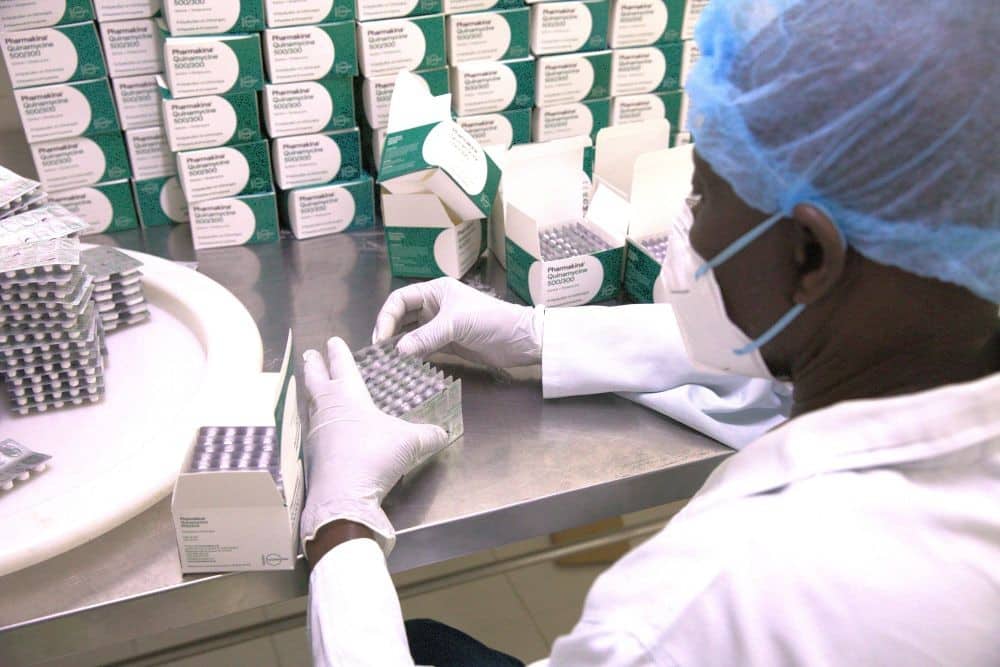
The value of this model is that it makes local manufacturing more practical and achievable. Cinchona has to be available reliably and at scale, which depends on plantation management over a decade compared to a single harvest. The API and the finished product need regulatory recognition, and WHO prequalification status largely determines whether a locally made antimalarial can reach donor-funded and public sector tender. The commercial case then has to survive currency exposure and uncertain offtake in eastern DRC. Cultivation is the easiest part of the chain to point at and the least decisive.
This is important because treatment security is also linked to API security. A locally anchored supply chain will not solve Africa’s pharmaceutical dependence overnight and locally produced quinine does not remove the need for ACTs or other antimalarial medicines. However, it demonstrates what is possible when critical pharmaceutical capabilities, from raw material cultivation to API production and finished products, can be maintained within the continent.
As malaria programmes face rising resistance, financing pressures and supply-chain vulnerabilities, the conversation should therefore go beyond which medicines we use.
For governments reviewing treatment strategies, manufacturers considering where to invest in production capacity, and financiers assessing local manufacturing opportunities, it should also ask:
- Where are they made?
- Where do their active ingredients come from?
- How resilient are the supply chains that support them?
These questions are not rhetorical, and they fall within three groups: governments revising national treatment guidelines, manufacturers deciding where to place capacity, and financiers assessing whether a local production opportunity is investable. The answers change the decision in each case.
The future role of quinine should ultimately be determined by evidence, safety, efficacy, affordability and national treatment guidelines. The supply chain question, though, does not wait for that.
Quinine is not simply a medicine from malaria’s past. It is proof that we in Africa can grow and manufacture critical medicines on the continent. As global supply chains become less reliable, that option is worth protecting.
AHB works on these decisions with manufacturers, investors and governments: market entry, market shaping and scaling, the regulatory and policy pathways that determine whether local production is viable, and the government engagement that connects both to national treatment priorities. This article draws on our commercial and technical advisory work on pharmaceutical manufacturing in Africa, including in the DRC.
If you are weighing a manufacturing, market access or policy decision in African malaria treatment, we are glad to explore. bd@africahb.com | www.africahb.com
[1] Pharmaceutical
[3] Malaria
[4] Regional data & trends briefing kit: World malaria report 2024